Home / Guides / How Long Do Partial Dentures Last?
Partial Denture Guide
How Long Do Partial Dentures Last? Lifespan, Care, and When to Replace
How long do partial dentures last? Most last for years, but how long yours lasts depends on the material, how you care for it, and changes in your mouth. Here’s what to expect.
On average, partial dentures last about 5 to 15 years, according to Polident. Many people need adjustments or a reline before then because the gums and remaining teeth change over time.
What Affects How Long a Partial Lasts
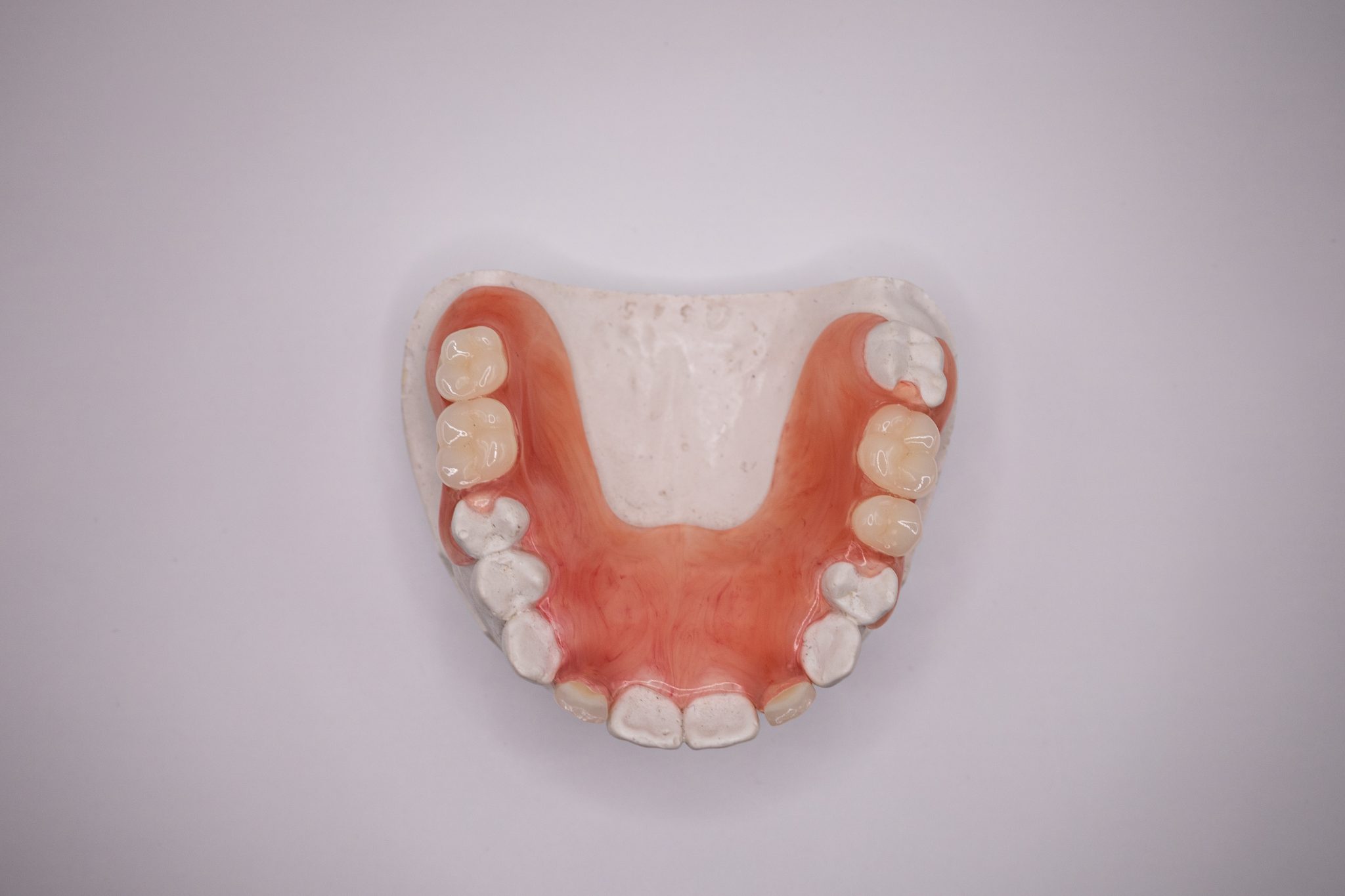
Material: acrylic and flexible partials can both last for years with good care. Acrylic partials can often be repaired or have teeth added; flexible partials are harder to adjust.
Daily care: cleaning daily and keeping the partial moist helps prevent cracks, warping, and stains.
Accidents: dropping a partial on a hard surface is a common cause of breaks.
Changes in your mouth: natural teeth can shift and gums can shrink, which affects fit.
Habits: grinding, chewing ice, and biting hard objects add wear.
Signs It's Time for a Reline or Replacement
The partial slips, rocks, or feels loose
Sore spots or gum irritation that don’t go away
Cracks, chips, or missing or stained teeth
Clasps that no longer grip
Food trapping under the base more than before
A loose fit can sometimes be fixed with a reline. A cracked or badly worn partial usually needs replacing.
How to Make Your Partial Last Longer
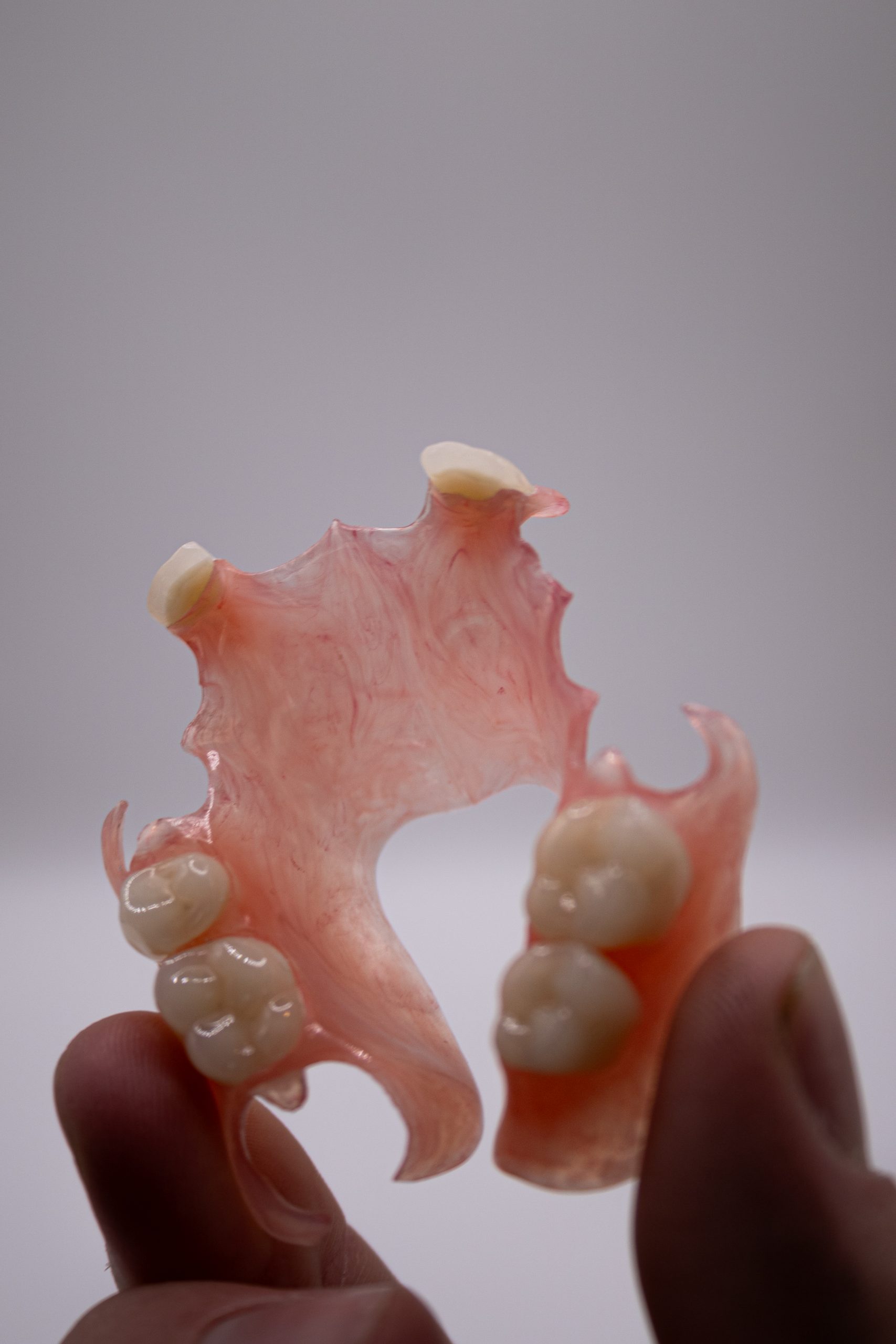
Flexible partials bend slightly, so heat and rough handling can change their shape.
Remove it at night and keep it in water or a denture soak so it doesn’t dry out.
Clean it over a folded towel or a sink filled with water in case you drop it.
Avoid hot water, bleach, and whitening toothpaste.
Keep up with dental checkups so changes are caught early.
Keep a backup. A second partial means you’re never without teeth if one breaks or gets lost.
Three Habits People Often Miss
Handle it over a towel or a basin of water. Dropping a partial onto a hard sink is one of the most common ways it breaks.
Seat it with your fingers, not your bite. Biting a partial into place can bend the clasps over time.
Brush the anchor teeth well. The teeth that hold your clasps do the most work, and keeping them healthy does more for your partial’s lifespan than almost anything else.
Can You Sleep in Partial Dentures?
It’s generally recommended to take partials out at night. This gives your gums a rest, lets you clean the partial and your mouth, and lowers the risk of irritation. Small partials, like a single-tooth Nesbit, should always come out before you sleep.
Replacing a Worn Partial
FixUrSmile makes replacement and backup partials from impressions you take at home: acrylic from $245, flexible from $315, and Nesbit for $260. Your second product is 15% off, so ordering a spare costs less.
How Long do Partial Dentures Last: Frequently Asked Questions
How long do partial dentures last?
Typically about 5 to 15 years, depending on the material, care, and changes in your mouth. Many people need an adjustment or reline before replacing the partial.
Do partial dentures need to be removed every night?
It’s generally recommended. Taking your partial out overnight lets your gums rest and makes it easier to keep both the partial and your mouth clean.
Do flexible partials last as long as acrylic?
Both can last for years with good care. Acrylic partials are easier to repair and add teeth to, while flexible partials are more comfortable for many people but harder to adjust.
What are the downsides of partial dentures?
They’re removable, need daily cleaning, may take a few weeks to get used to, and may need relines or replacement over time as your mouth changes.
This guide is for general information and isn’t a substitute for advice from your dentist. If you have pain, swelling, loose teeth, or other oral health concerns, please see a dental professional.
Replace or Back Up Your Partial
Custom partials from $245. Made in our US dental lab from impressions you take at home, with licensed dentist review and our Custom Fit Guarantee.