
A permanent retainer is a thin wire bonded behind your teeth. Here’s how it works, what it costs, and how it compares to a removable retainer.
By the FixUrSmile Dental Lab team · Updated September 2026
A permanent retainer (also called a bonded or fixed retainer) is a thin wire glued to the back of your front teeth, usually the lower front teeth and sometimes the upper. It’s placed by an orthodontist or dentist after braces or aligners to keep teeth from shifting, and you can’t remove it yourself.
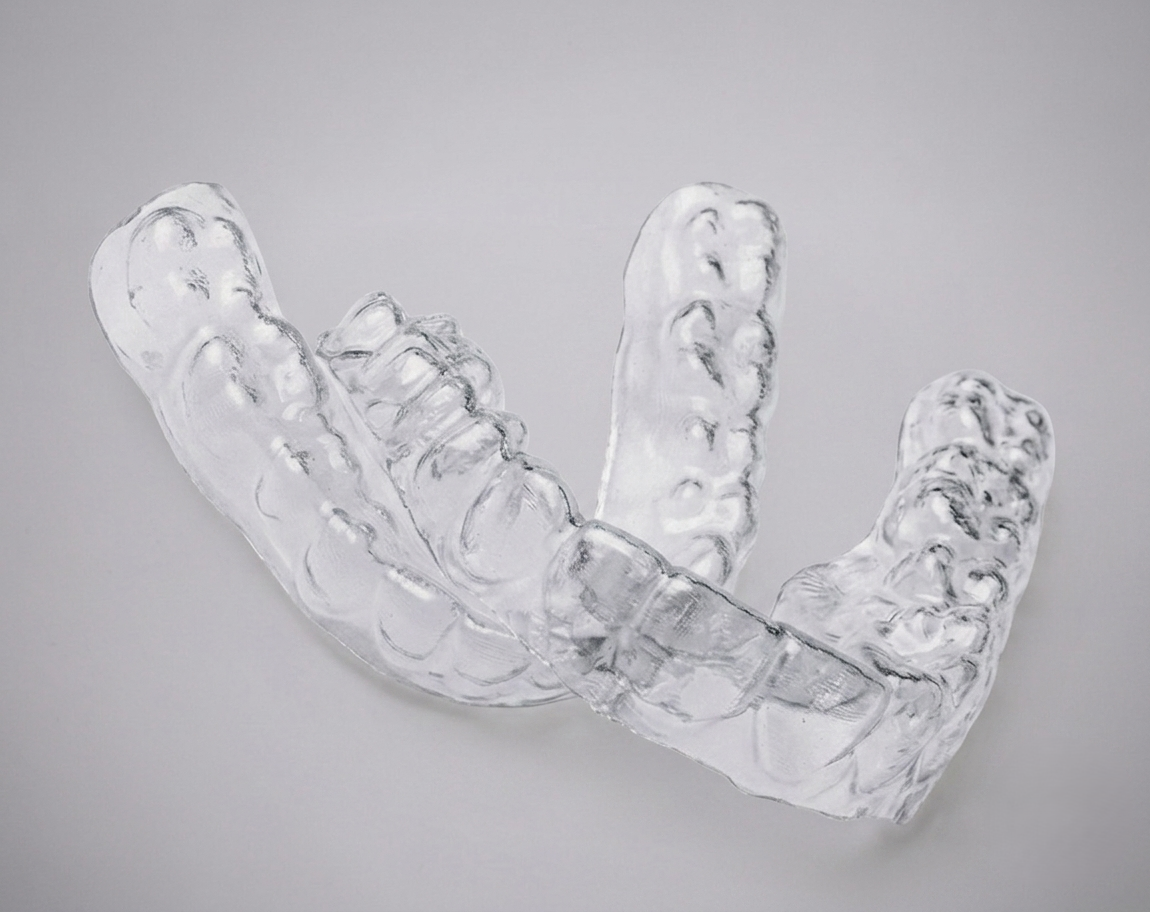
Bonded retainers typically cost about $250 to $500, according to Dentaly. Repairs cost extra. For comparison, clear retainers typically cost about $50–$200 per set from a dentist, and Hawley retainers about $150–$300.
| Permanent (bonded) | Clear removable | Hawley removable | |
|---|---|---|---|
| Visible? | No (behind teeth) | Barely | Wire shows |
| Wear time | 24/7 automatically | As directed, often nightly | As directed |
| Cleaning | Floss threaders or water flosser | Remove and brush | Remove and brush |
| Typical lifespan* | Up to about 20 years | About 6 months–3 years | About 5–10 years |
*Ranges reported by Dentaly.
Many orthodontists pair a bonded retainer with a removable clear retainer for extra protection. Compare removable types in Hawley vs. clear retainers.
If you have a bonded retainer, a removable clear retainer can serve as a backup, especially at night. FixUrSmile makes custom clear retainers from at-home impressions for $145 per arch. Check with your orthodontist that a removable retainer will fit over or alongside your bonded wire.
Most bonded retainers go behind the lower front teeth, where they’re out of the way of your bite. A bonded retainer on the upper front teeth is also possible, but your lower teeth can hit it when you bite down, so it may come loose more often. Your orthodontist will decide which arches need one based on how your teeth moved during treatment.
A bonded retainer only holds the teeth it’s glued to. Many orthodontists pair it with a removable clear retainer worn at night to protect the rest of your smile. If you need a backup, FixUrSmile makes custom clear retainers from at-home impressions for $145 per arch.
Bonded retainers can last many years, up to about 20 with good care, though the bond may need repairs along the way.
Yes, but only by a dentist or orthodontist. Don’t try to remove it yourself.
Contact your orthodontist promptly. Teeth can start shifting soon after a bond or wire breaks. A removable retainer can help hold teeth in the meantime if your orthodontist agrees.
Each has trade-offs. Bonded retainers work automatically but are harder to clean, while removable retainers are easy to clean but only work when you wear them.
Getting a bonded retainer usually doesn’t hurt. The wire is glued to the back of your teeth without needles or drilling. Your tongue may notice it for the first few days, and flossing takes some practice.
Yes. As long as the wire stays bonded, it keeps the teeth it’s attached to from shifting. It doesn’t hold teeth that aren’t bonded, and a loose or broken bond lets teeth move, so regular dental checkups matter.
An orthodontist or dentist places bonded retainers, usually right after braces or aligners. Ask your provider whether a bonded retainer, a removable retainer, or both make sense for you.
Custom clear retainer, $145 per arch. Made in our US dental lab from impressions you take at home, with licensed dentist review and our Custom Fit Guarantee.
Replacing missing back teeth or molars? Compare Nesbit, flexible, and acrylic partials for back teeth, what they cost, a…
Can a night guard help TMJ jaw pain? Learn how oral splints are used, soft vs. hard guards, when to see a dentist, and c…
Why you need a retainer after braces, how long to wear it, the main retainer types, what they cost, and what to do if yo…