
Home / Guides / Can You Eat With a Flipper Tooth? Foods, Tips, and What to Avoid
Missing Tooth Guide

Can You Eat With a Flipper Tooth? Foods, Tips, and What to Avoid

Yes, you can eat with a flipper tooth, but it takes a little practice. Here’s how to eat comfortably and keep your flipper from cracking.

By the FixUrSmile Dental Lab team · Updated September 2026 · Part of our complete partial dentures guide

The Short Answer

You can eat with a well-fitting flipper tooth. Flippers are made from acrylic, which is lighter and less strong than natural teeth, so they’re best for softer foods and gentle chewing. Many people take their flipper out for tough or sticky meals and put it back in afterward.
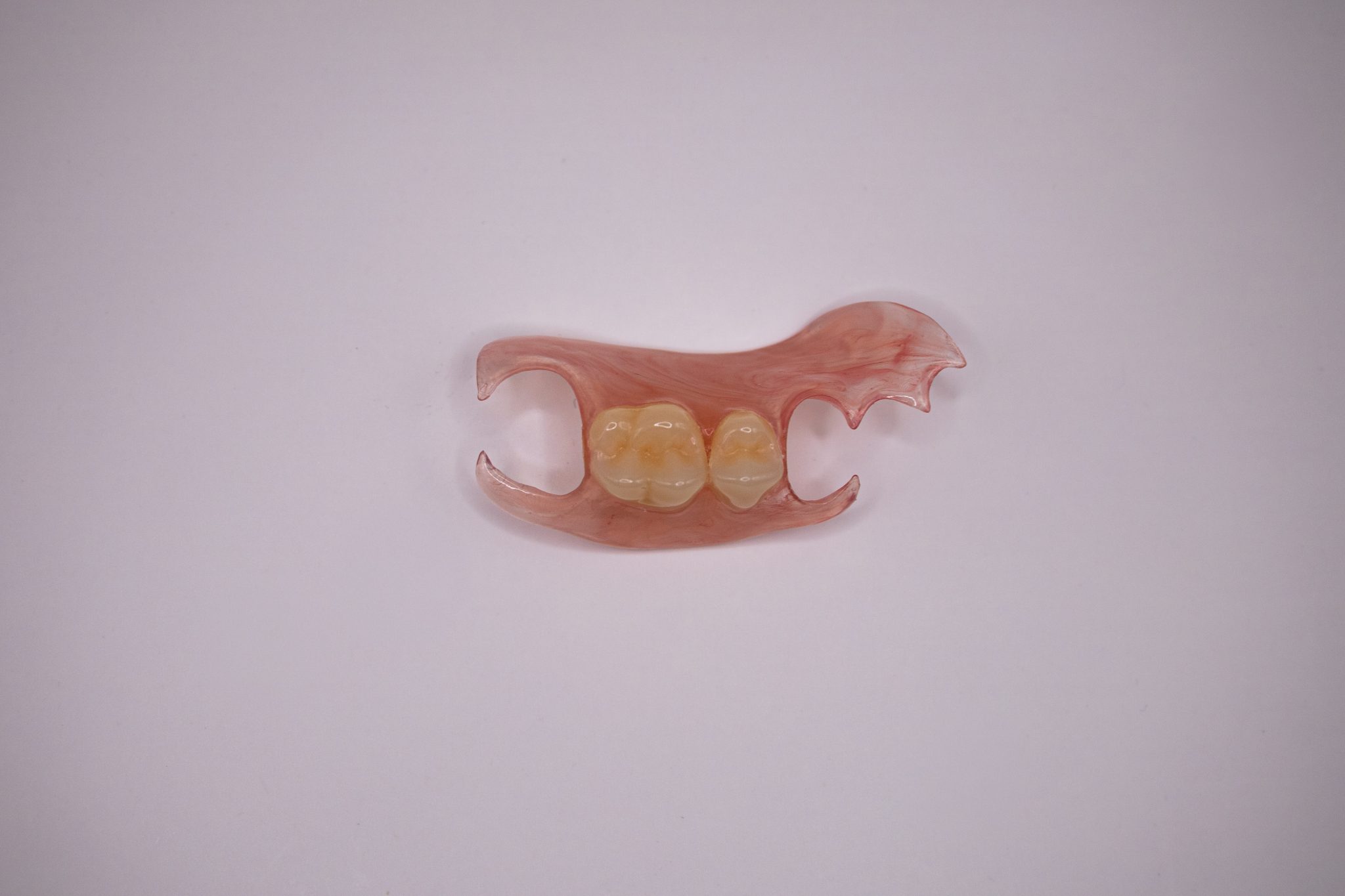
Flexible Nesbit partial, a sturdier option than a flipper tooth for eating

Your First Week With a Flipper

  1. Days 1–3: stick to soft foods like eggs, yogurt, pasta, fish, and cooked vegetables.
  2. Days 4–7: add firmer foods cut into small pieces.
  3. Chew slowly and on both sides if you can, or on the side opposite the flipper.
  4. Avoid biting directly into food with a front flipper tooth. Cut food and chew with your back teeth instead.

Foods to Avoid With a Flipper

Easier foods

  • Eggs, yogurt, oatmeal
  • Pasta, rice, soft bread
  • Fish, ground meat, tender chicken
  • Cooked vegetables, bananas, berries

Avoid or remove flipper first

  • Hard foods: nuts, ice, hard candy, popcorn kernels
  • Sticky foods: caramel, taffy, gum
  • Tough foods: jerky, crusty bread, steak
  • Biting into whole apples, corn on the cob, or ribs

Can You Drink With a Flipper Tooth?

Yes. Water is fine anytime. Rinse after coffee, tea, red wine, or soda, since these can stain acrylic over time. Avoid very hot drinks, which can warp some denture materials.

How to Protect Your Flipper While Eating

  • Rinse your flipper and mouth after meals to remove food trapped under the base.
  • Brush it daily with a soft denture brush, not toothpaste.
  • If it rocks or pinches when you chew, get the fit checked. A loose flipper is more likely to crack.
  • Keep a spare. FixUrSmile takes 15% off your second product automatically.

More care tips: how to clean partial dentures.

Want a Stronger Option for Eating?

If you want to chew more comfortably, ask about other partial types. Flexible partials are less likely to crack if dropped, and a Nesbit partial is a small option for one or two back teeth. Compare them in our types of partial dentures guide. Not sure which one fits? See Nesbit vs. flipper.

Can you Eat with a Flipper Tooth: Frequently Asked Questions

Should I take my flipper out to eat?

You don’t have to, but many people remove it for hard, sticky, or tough foods to avoid cracking it. For soft meals, most people keep it in.

Can you chew gum with a flipper tooth?

It’s best not to. Gum can stick to the acrylic and pull the flipper loose.

Can a flipper tooth break while eating?

Yes. Acrylic can crack from hard foods or biting directly with a front flipper tooth. Cutting food into small pieces and chewing with your back teeth helps.

How long does it take to get used to eating with a flipper?

Most people feel more comfortable within one to two weeks. If you still have sore spots after that, have the fit checked.

This guide is for general information and isn’t a substitute for advice from your dentist. If you have pain, swelling, loose teeth, or other oral health concerns, please see a dental professional.

Get a Custom Flipper-Style Partial

Made from your own impressions, from $245. Made in our US dental lab from impressions you take at home, with licensed dentist approval and our Custom Fit Guarantee.

Shop NowRead the FAQ

Related Guides

Night Guard vs. Retainer: What's the Difference?

Night guards protect teeth from grinding; retainers keep teeth from shifting. Learn the differences, whether one can rep…

Temporary Partial Dentures: Types, Cost, and How Long to Wear One

A temporary partial denture fills a gap while you heal or wait for an implant or bridge. Compare temporary options, cost…

Partial Dentures: Types, Cost, Pros and Cons, and How to Get Them

Everything to know about partial dentures: how they work, the main types, what they cost, how long they last, and how to…