
A Nesbit partial is a small, one-sided removable denture that replaces one missing tooth or two teeth side by side. Here’s how it works and who it’s best for.
By the FixUrSmile Dental Lab team · Updated September 2026 · Part of our complete partial dentures guide
A Nesbit partial (also called a unilateral partial denture) replaces missing teeth on only one side of your mouth, without a plate or connector crossing over to the other side. It’s usually used for one missing back tooth, or two adjacent teeth, and it clips onto the neighboring teeth.
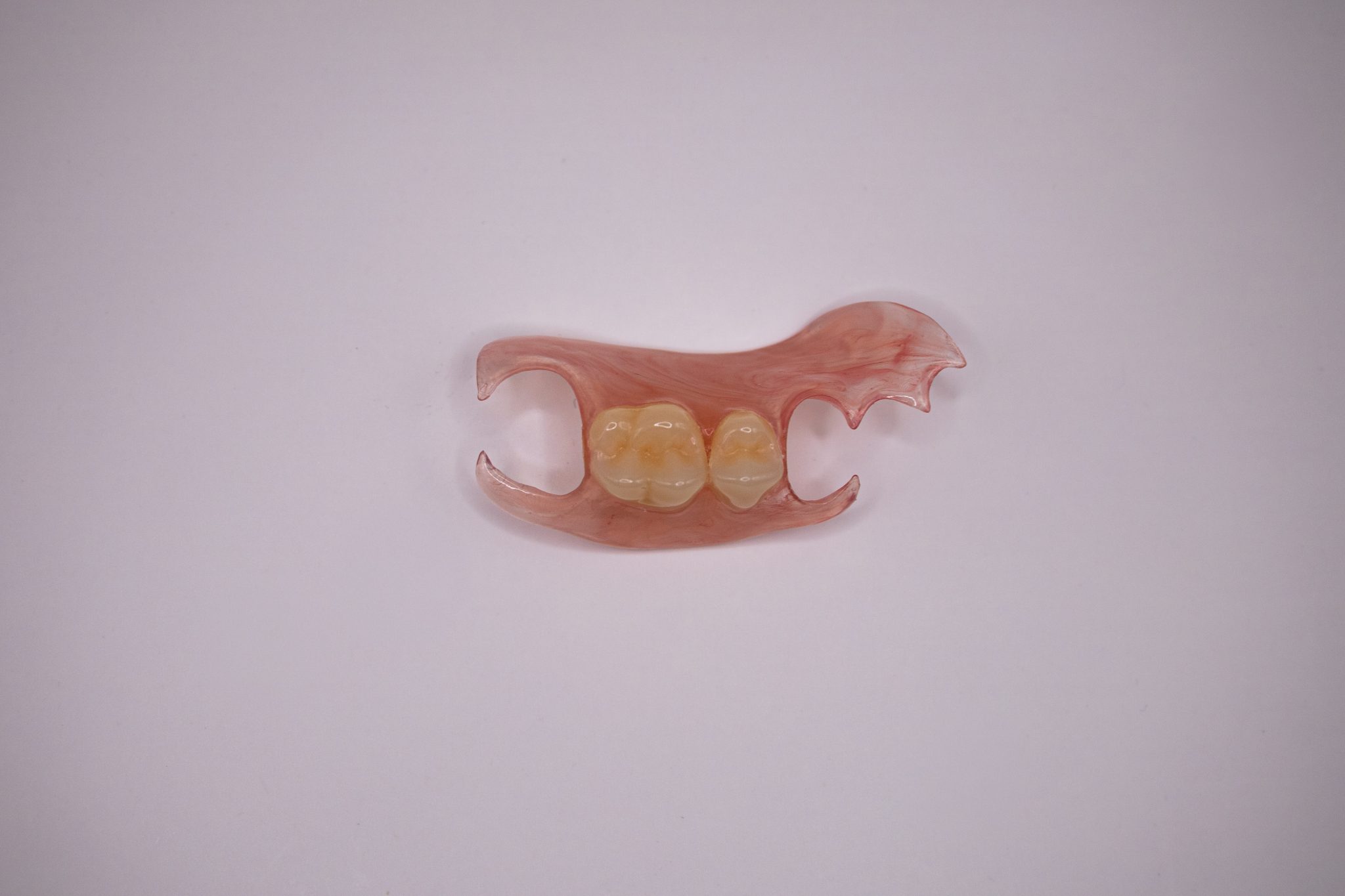
Traditional Nesbits used metal clasps. Today, many are made from flexible, metal-free resin that blends with your gums, like the FixUrSmile Nesbit Flexible Partial.
Because a Nesbit is small, a poor-fitting one could come loose. That’s why fit matters. Always make sure yours feels secure before wearing it, remove it at night unless your dentist advises otherwise, and stop wearing it and contact your provider if it feels loose. If you have concerns about swallowing risk or a loose fit, talk with your dentist. FixUrSmile’s Custom Fit Guarantee includes a free fit adjustment within 30 days.
Nesbit prices at dental offices vary by provider and material. FixUrSmile’s custom Nesbit flexible partial is $260 for 1 or 2 teeth, made in our US dental lab from your at-home impressions. See our partial dentures cost guide for other options.
A flipper is usually a rigid acrylic partial that can replace one or more teeth, often in the front. A flexible partial can replace up to 6 teeth and may span both sides. A Nesbit is specifically a small one-sided partial. Compare them in our partial denture comparison.
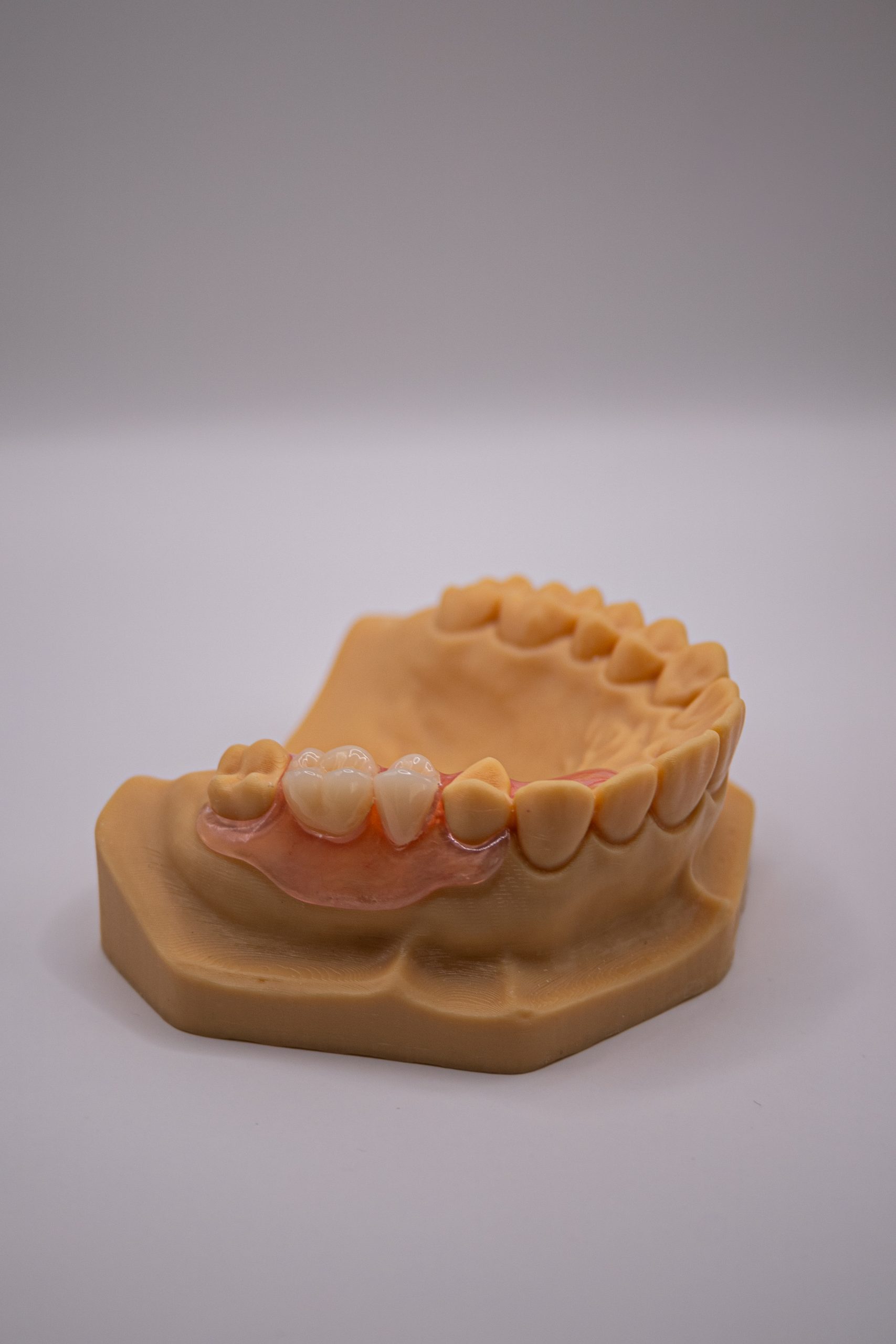
With good care, a flexible Nesbit can last for several years. How long yours lasts depends mostly on two things: how well it keeps its grip, and the health of the two teeth holding it.
A Nesbit suits you if you’re missing one tooth or two side-by-side teeth on one side of your mouth, and the teeth on each side of the gap are healthy enough to hold the clasps.
It’s a weaker fit if you’re missing three or more teeth, have gaps on both sides, or have loose or heavily filled teeth next to the gap. A larger flexible partial spreads the load better in those cases. If you expect to lose more teeth later, keep in mind that teeth usually can’t be added to a flexible Nesbit, while an acrylic partial can often be added to.
Because a Nesbit is small, a loose one could come out unexpectedly. If yours starts to feel loose, stop wearing it and have the fit checked rather than getting used to it.
Yes, after a short adjustment period. Start with soft foods, take small bites, and avoid very sticky or hard foods at first. Rinse your Nesbit after meals and clean it daily.
Related guides: Nesbit vs. flipper · partial denture for one tooth
With good care, a Nesbit can last several years. Lifespan depends on cleaning habits, bite forces, and changes in your teeth and gums over time.
Prices at dental offices vary. The FixUrSmile Nesbit flexible partial is $260 for one tooth or two adjacent teeth.
Nesbits are most often used for back teeth. For a missing front tooth, a flipper or flexible partial is more common.
It’s generally recommended to remove small partials like a Nesbit before sleeping. Follow your dentist’s advice.
For 1 tooth or 2 adjacent teeth, $260. Made in our US dental lab from impressions you take at home, with licensed dentist approval and our Custom Fit Guarantee.
Compare the main types of partial dentures, from acrylic flippers and flexible partials to Nesbit and cast metal, for up…
Compare boil-and-bite, custom online, and dentist-made night guards for teeth grinding. Learn soft vs. hard guards, cost…
Step-by-step instructions for cleaning your night guard every day and deep-cleaning it weekly, what to avoid, how to sto…