
A night guard should feel snug and secure without hurting. Here’s how to tell whether yours fits, and what to do if it doesn’t.
By the FixUrSmile Dental Lab team · Updated September 2026
Some tightness, extra saliva, and awareness of the guard are normal for the first few nights. Most people adjust within about a week. Mild pressure that fades within an hour or so of removing it in the morning is also common.
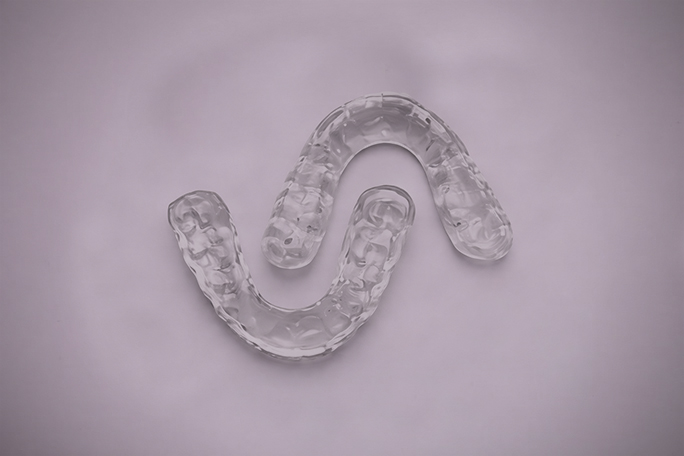
A loose guard can also be a sign it’s worn out. See signs your night guard is not working.
| Boil-and-bite | Custom (lab-made) | |
|---|---|---|
| Fit | Molded at home, often bulky | Made from impressions of your teeth |
| Stability | Can loosen or shift | Snug and even |
| Typical cost* | About $20–$30 | About $50–$200 online; $300–$1,000 from a dentist |
*As reported by GoodRx.
FixUrSmile’s Custom Fit Guarantee covers fit issues reported within 30 days, with a free adjustment and, if needed, one free remake after review.
It should be snug and secure, but not painful. Mild pressure the first few nights is normal; sharp or lasting pain is not.
Some pressure is normal at first. Pain that doesn’t fade after a few nights, or pain on one tooth, may mean the fit is off. Stop wearing it and contact the maker or your dentist.
A well-fitting custom guard shouldn’t. If yours falls out, it may be too loose or worn.
Most people adjust within about a week.
Made from your impressions, $297 per arch. Made in our US dental lab from impressions you take at home, with licensed dentist approval and our Custom Fit Guarantee.
Should your night guard go on your upper or lower teeth? Compare comfort, fit, speech, and durability, and learn when a …
Cracked or broken retainer? Learn whether it's safe to keep wearing, why DIY glue fixes are risky, how to protect your t…
Lost your retainer? What to do in the first 24 hours, what you can and can't use instead, how fast teeth can shift, and …