
Many people clench their jaw without realizing it, during the day or while they sleep. Here’s what causes it, what it does to your teeth, and what helps.
By the FixUrSmile Dental Lab team · Updated September 2026
Jaw clenching means tightly pressing your upper and lower teeth together. It’s part of bruxism, which also includes grinding your teeth side to side. It can happen while you’re awake (often during concentration or stress) or while you sleep, when you can’t control it.
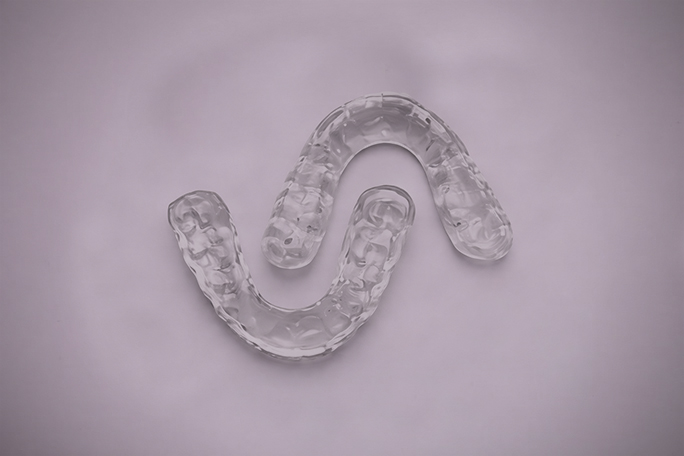
According to Mayo Clinic, signs of bruxism include:
The exact cause isn’t fully understood. Mayo Clinic describes it as a mix of physical, mental health, and genetic factors. Commonly linked risk factors include:
Over time, heavy clenching can wear down enamel, crack teeth or dental work, and strain the jaw joints and muscles. It’s also associated with tension-type headaches and TMJ symptoms.
Mayo Clinic lists several approaches that may help, depending on the cause:
Source: Mayo Clinic.
A night guard doesn’t stop the urge to clench, but it puts a durable layer between your teeth so the force goes into the guard instead of your enamel. For heavy clenchers, a firmer or dual-layer guard usually lasts longer. Learn more in best night guard for teeth grinding and soft vs. hard night guards.
A FixUrSmile custom night guard is $297 per arch, made from impressions you take at home.
Nighttime clenching is linked to brief sleep disturbances, stress, caffeine or alcohol, certain medications, and sleep disorders like sleep apnea. The exact cause varies from person to person.
Managing stress, limiting caffeine and alcohol, and practicing ‘lips together, teeth apart’ during the day can help. A night guard protects your teeth while you sleep.
Occasional clenching is common. Frequent, heavy clenching can damage teeth and strain the jaw, so it’s worth discussing with a dentist.
A well-fitting guard shouldn’t. If jaw pain increases or your bite feels different, stop wearing it and see your dentist.
Custom night guard made from your impressions, $297 per arch. Made in our US dental lab from impressions you take at home, with licensed dentist approval and our Custom Fit Guarantee.
How a night guard should feel when it fits correctly, signs it's too tight or too loose, what's normal in the first week…
Should your night guard go on your upper or lower teeth? Compare comfort, fit, speech, and durability, and learn when a …
Cracked or broken retainer? Learn whether it's safe to keep wearing, why DIY glue fixes are risky, how to protect your t…