
Upper and lower partials are built differently because each jaw is shaped differently. A lower partial denture leans more on the teeth around it, while an upper partial can rest against the palate. Here’s what to expect from each and how to choose.
By the FixUrSmile Dental Lab team · Updated September 2026 · Part of our complete partial dentures guide
A partial denture replaces missing teeth on one arch (upper or lower) while your remaining natural teeth help hold it in place. The two arches have different shapes, so the designs differ:
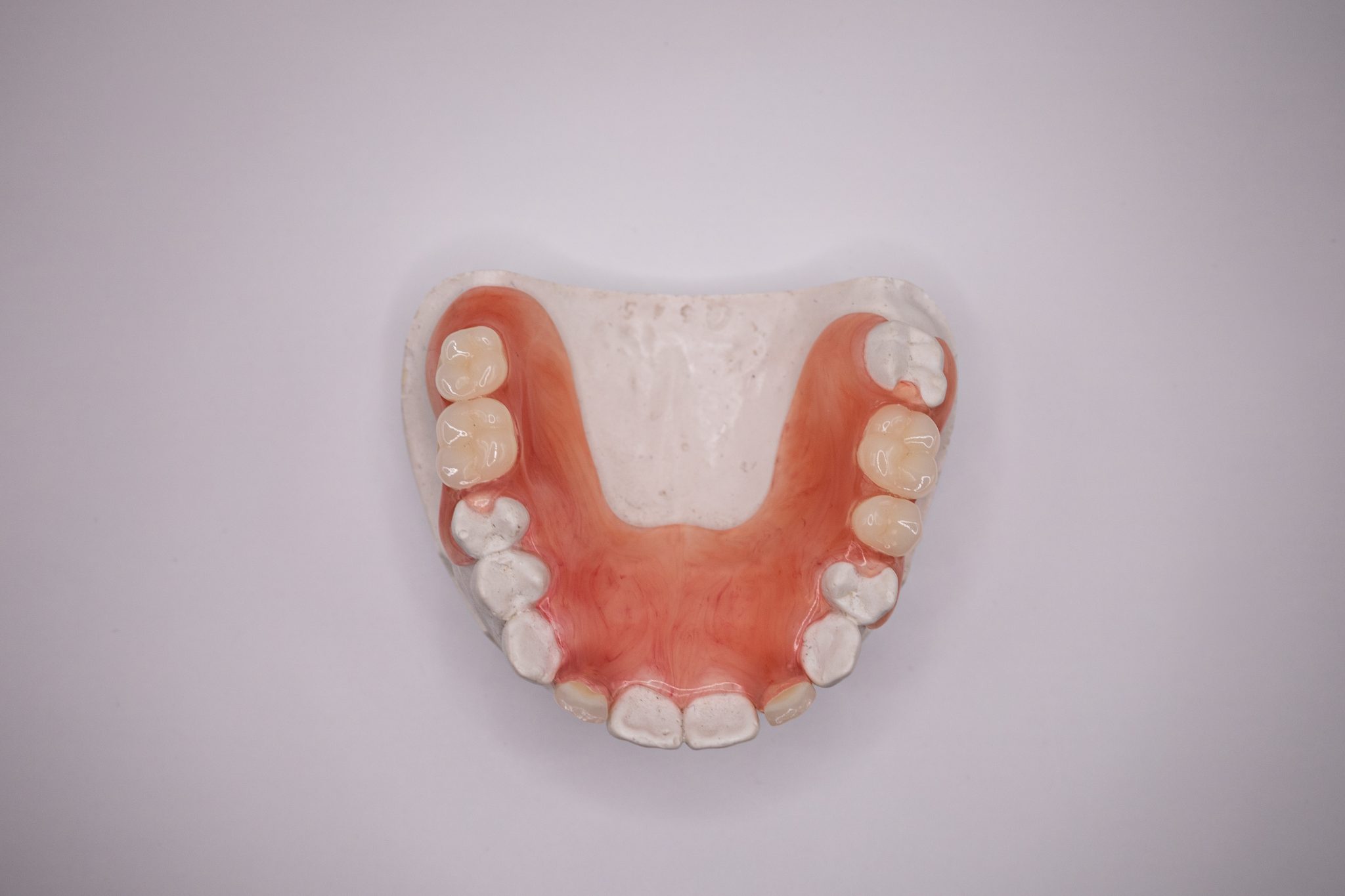
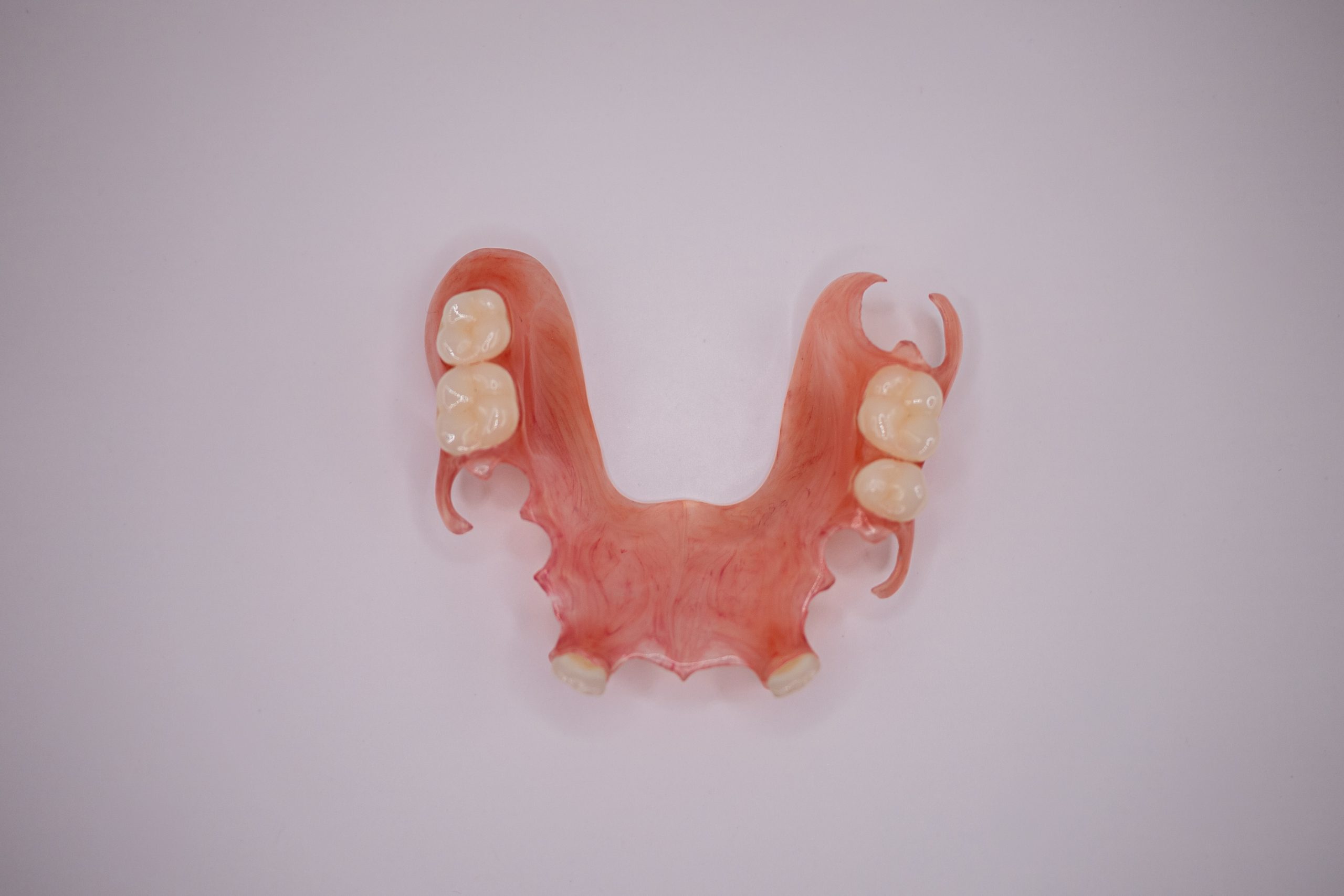
Many people find a lower partial takes a little longer to get used to, because the tongue and cheeks move around it and there’s less surface area to support it. A precise fit makes a big difference. Accurate impressions help, so take your time with our at-home impression guide.
| Type | Upper | Lower |
|---|---|---|
| Acrylic | Good all-around, easy to adjust | Good, uses wire clasps for grip |
| Flexible | Popular for front teeth, no metal | Popular for comfort, no metal |
| Nesbit | 1–2 adjacent teeth on one side | 1–2 adjacent back teeth on one side |
See all options in our types of partial dentures guide.
A flexible partial denture works the same basic way on either arch, but it holds and feels a little different on each.
Flexible nylon gives slightly against your gums on both arches, which often means fewer pressure spots than a rigid acrylic base.
Partial dentures are priced per arch. At a dental office, partials range from about $300 to $2,500 each depending on type, according to Guardian Life.
| FixUrSmile partial (per arch) | Price |
|---|---|
| Acrylic | $245 (1–3 teeth), $295 (4–6 teeth) |
| Flexible | $315 (1–3 teeth), $399 (up to 6 teeth) |
| Nesbit flexible | $260 (1 or 2 teeth) |
Need both an upper and a lower? Your second product is 15% off automatically at checkout.
Paying out of pocket? See our guide to flexible partial denture cost without insurance, including how to use HSA or FSA funds.
Yes. You can order both and take impressions of both arches with one kit. FixUrSmile applies 15% off your second product automatically.
Lower partials have less surface area and more tongue movement around them, so a small fit change is easier to notice. If it rocks or slips, have the fit checked rather than using a lot of adhesive.
Some do and some don’t. Many small partials use minimal palate coverage, while larger ones may need more for support.
Partials are priced per arch. FixUrSmile partials start at $245 per arch, and the second product is 15% off.
Upper or lower, made from your own impressions, from $245. Made in our US dental lab from impressions you take at home, with licensed dentist approval and our Custom Fit Guarantee.
Yes, you can eat with a flipper tooth, with some care. Learn which foods are easiest, which to avoid, and tips to protec…
Night guards protect teeth from grinding; retainers keep teeth from shifting. Learn the differences, whether one can rep…
A temporary partial denture fills a gap while you heal or wait for an implant or bridge. Compare temporary options, cost…